Most people leave book club talking about the book. We left talking about death.
Not because we had to. Because neither of us wanted the conversation to end.
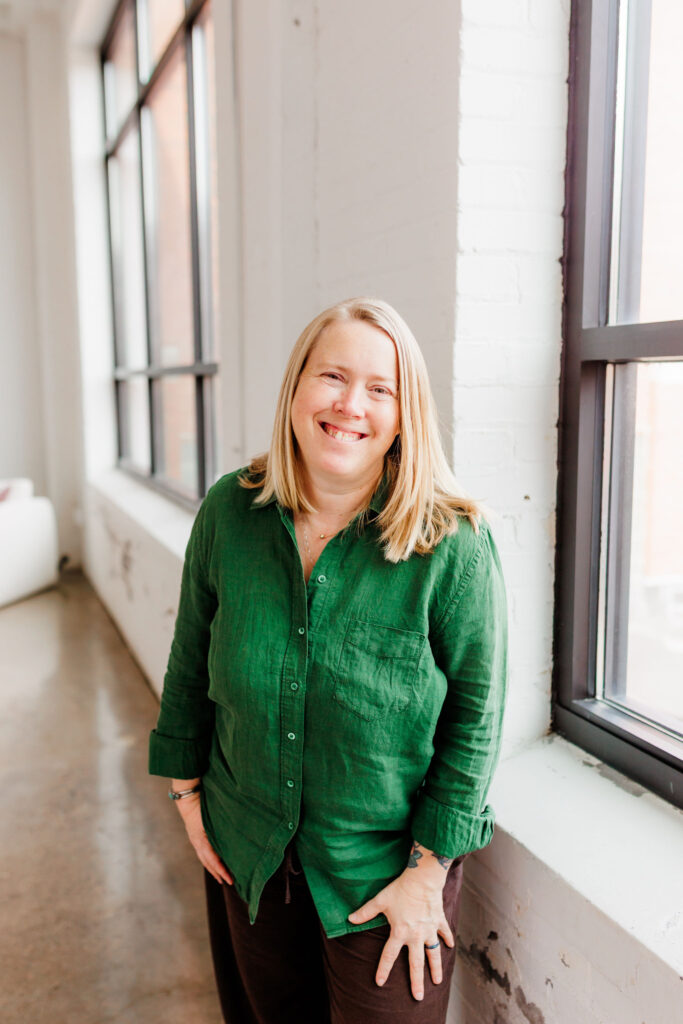
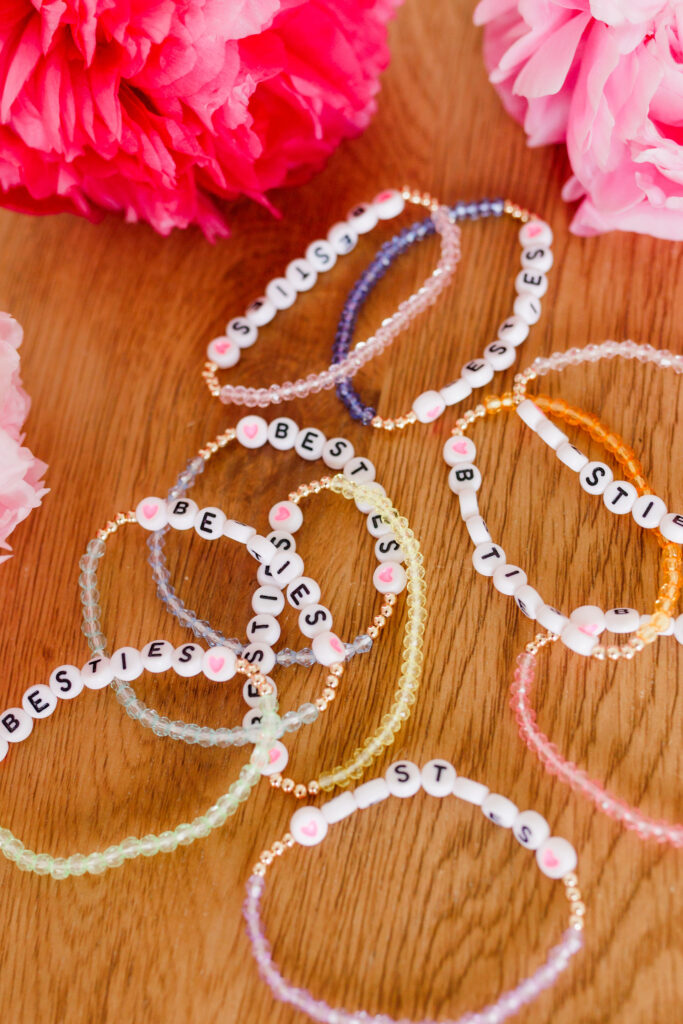
We’re Meghan and Colleen, your Death Besties.
When we first met, we were equal parts intrigued… and a little intimidated by each other. We came from completely different worlds. But after book club, we’d stay behind talking. We started calling it “the after party.”
Somewhere between conversations about grief, brains, parenting, fear, and the weird things humans do to avoid talking about death, we realized something:
We were asking the same question from different directions.
What if talking about the hardest things before they happen actually makes us better at living through them?
Meghan had spent years learning how our brains prepare for uncertainty.
Colleen had lived through the kind of loss most people hope never happens.
Together, those conversations turned into experiments, ideas, long voice notes, and eventually a shared obsession with something we now call rehearsing before chaos. Not because we think we can control life (we can’t). But because we’ve both seen what happens when people have even a little more language, a little more practice, and a little more support before everything changes.
Eventually we looked at each other and thought…
If we’re having this much fun talking about death… maybe other people are craving these conversations too.
So we stopped keeping them to ourselves. That’s how The Death Besties was born.
We’re building a place where talking about death isn’t morbid. It’s practical. It’s human. Sometimes it’s funny. And, surprisingly often, it makes life feel a whole lot bigger.
We’re really glad you’re here.
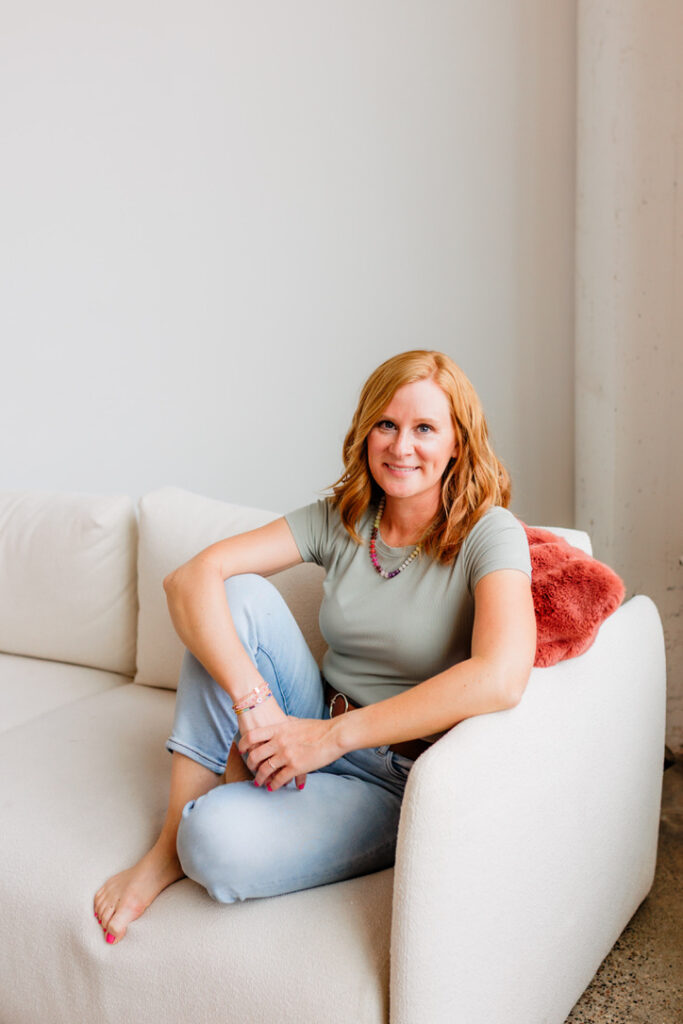
*HeY* I’m Meghan. There’s a long list of reasons I became a Death Bestie, most of which are stories for another day, but here’s the highlights. I’m no stranger to death and grief, both expected and unexpected. Suicide is a thread that is woven through many aspects of my life. The clichés about death changing people? Well they held true for me. I’m a deep feeler, what can I say. I’ve been fortunate (and unfortunate) to be able to be up close and personal with death and dying. I’ve learned what an honor it is to be a part of those days. I also know how gut-wrenchingly awful they can be. On another note, I was born with the superb ability to be absolutely terrified that certain people I love will die. I have 3 decades of that following me around, so there’s also that. Lastly, I could probably add a few cliffnotes on pregnancy loss and infertility.
This is also probably a good time to tell you that I love me some sarcasm.
As a neuropsychologist and therapist, I’ve spent years sitting with people wrestling through choices and realities around living and dying. I’ve worked with families living through things that are extraordinarily hard. Families trying to keep people alive and families making decisions about death. I’ve been on the other side of the table, delivering news I dreaded sharing. I’ve had the honor of working with a lot of ‘rare’ families. It’s really important to me that I let working with these families continue to change me.
What else? I have a wandering brain that is either on or off. I’m a casual yogi, but I swear that sh*t has changed me. The only title I hold in higher regard than my beloved professional title of Brain Detective is Elle’s mom. Being the parent I want to be is definitely my current hyperfixation. I’m also a dog, coca-cola, and popcorn lover.
And I’ve gotta say it: even though I am a neuropsychologist and therapist, I’m not your therapist or neuropsychologist. While I bring my experiences and knowledge from those roles, my work here is not in that capacity.
I am, however, extremely stoked to be your Death Bestie!
Hi I’m Colleen. There are a lot of ways I could explain how I got here, but the truest place to start is with my daughter, Claire.
Claire lived with Rett Syndrome for 15 years before she died unexpectedly. For a long time, I lived with a constant fear that she could be gone at any moment. It shaped how I moved through the world. I faced the fear, with the help of a friend and and got back to life as I had dreamed, full of adventure, joy, love and less holding back. Not because the fear went away, but because I didn’t let it run the show.
Because I was honest about the reality that Claire could die, when she did, I was still able to make clear, grounded decisions. I know this in my bones: you can’t think in those moments. That’s why having a plan, the language and even a little bit of rehearsal ahead of time can be so powerful.
After Claire died, I talked a lot about my grief. But I started to notice how uncomfortable people were. The further I got from her death, the quieter it became. Then I joined a book club about death.
I met Mille there, who had a younger daughter newly diagnosed with the same condition that took Claire’s life. I was sure I would represent her worst fear. But the opposite happened. We became close. She asks about Claire. She wants to hear about her life. She even finds joy in those stories.
That experience showed me something I can’t unsee: people aren’t trying to avoid these conversations—they’ve just been taught not to have them. Underneath that, there’s curiosity, and a real desire to connect.
In this work, I’m the one who will probably say the thing you’ve been thinking but haven’t said out loud yet. I’m direct. Sometimes a little salty. But always coming from a place of care. I’m not here to make things heavy, I’m here to make them honest.
Also, I really love trees. A lot.
I’m really glad you’re here. And I’m honored to be your Death Bestie.